
Public
Exploring the psychology behind casino games
The Allure of Chance and Uncertainty
The psychology behind casino games is deeply rooted in the appeal of chance and uncertainty. Players are often drawn to the thrill of not knowing the outcome of their actions. This unpredictability can trigger an adrenaline rush, making the experience exhilarating. The possibility of winning—however small—creates a compelling psychological lure. This phenomenon can lead individuals to repeatedly engage in gambling activities, chasing the elusive win fueled by the excitement of possibility, especially when they consider options for uk casino fast withdrawal that enhance their gaming experience. The element of chance often acts as a magnet, pulling players back into the gaming environment time and again.
Moreover, the environment of a casino plays a significant role in amplifying these feelings. Bright lights, sounds of coins falling, and the overall ambiance create a sensory overload that heightens excitement. This immersive experience can provide a temporary escape from reality, giving players a sense of freedom and euphoria as they engage with games of chance. Casinos intentionally design their spaces to stimulate emotions, ensuring players are engaged and eager to participate in the next round of play. The strategic layout of gaming areas often encourages players to explore more games, enhancing their overall experience.
Another critical factor in the allure of casino games is the concept of variable rewards. Just like in slot machines, where outcomes are unpredictable, the brain responds to these random rewards by releasing dopamine—a neurotransmitter associated with pleasure and reward. This mechanism reinforces gambling behavior, encouraging players to continue trying their luck in hopes of hitting the jackpot or making a big win. The cycle of anticipation and reward underpins the psychological strategies employed by casinos to attract and retain players, making every spin of the wheel or turn of the card feel like a new opportunity. This dynamic keeps players engaged and longing for the next chance to win.
The Role of Cognitive Biases
Cognitive biases significantly influence gambling behaviors, often leading players to make irrational decisions. One prominent example is the ‘gambler’s fallacy,’ where individuals believe that past outcomes can influence future events. For instance, a player may think that a slot machine is ‘due’ for a win after experiencing a series of losses. This misunderstanding can lead to increased betting and prolonged play, which can be detrimental as it contradicts the mathematical odds of the game. Such misconceptions create a false sense of security, encouraging players to invest more time and resources into gambling.
The illusion of control is another cognitive bias that impacts players’ perceptions. Many gamblers mistakenly believe they can affect the outcome of games of chance through skill or strategy. This belief often leads players to engage more deeply with games than they might otherwise, thinking they hold some influence over inherently random outcomes. Such illusions can exacerbate gambling behaviors, as players feel empowered to continue playing despite the inherent risks involved. As a result, they may overlook the reality of the games and fall deeper into the cycle of gambling.
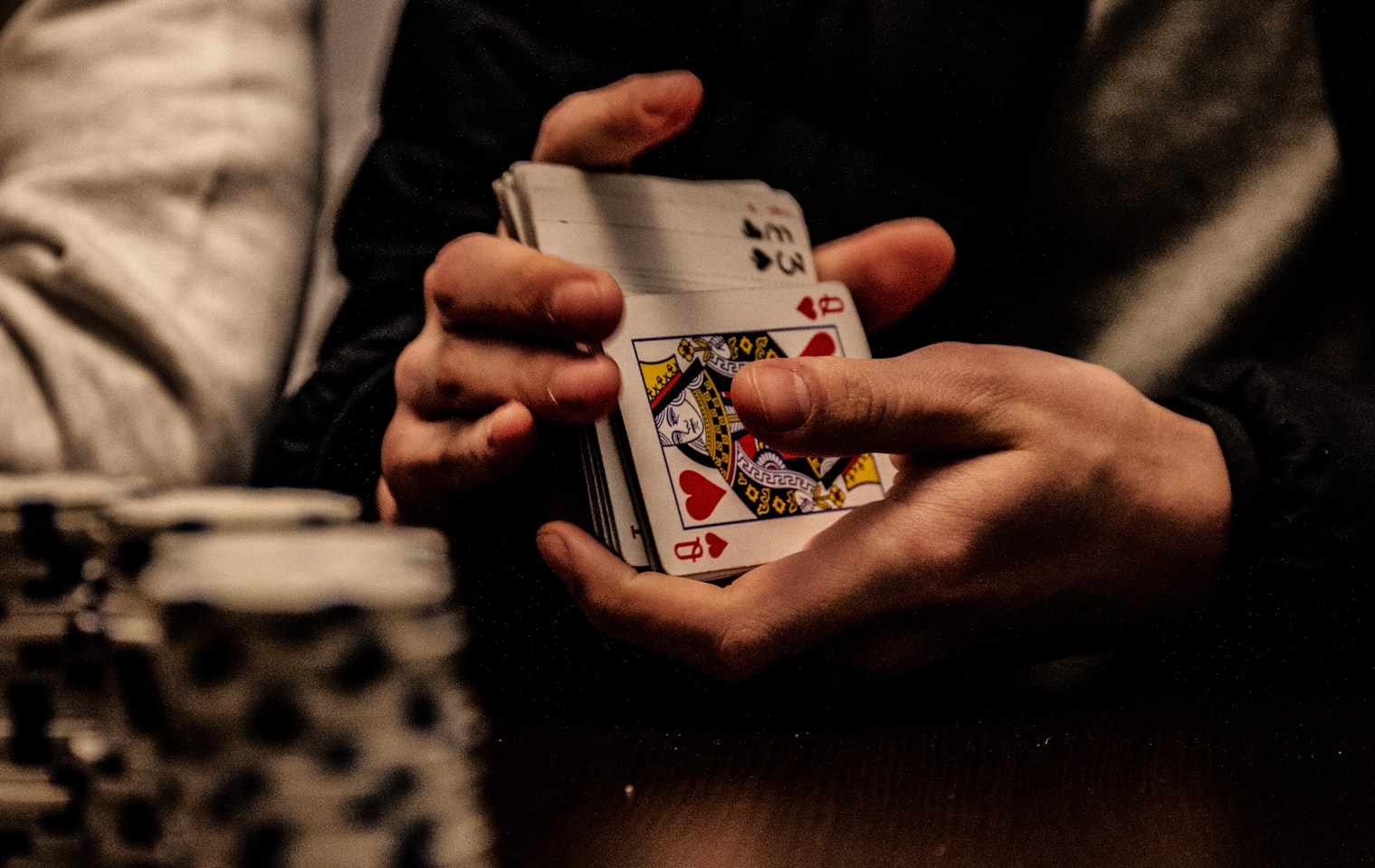
Additionally, the framing effect influences how players perceive their wins and losses. If players focus more on their winnings rather than their losses, they may feel more positive about their experience, which can lead to continued gambling. This selective perception can create a distorted view of reality, where the enjoyment of small wins outweighs the impact of larger losses. Such cognitive biases can further enhance the appeal of casino games, making it crucial for players to be aware of these traps in their decision-making processes. Recognition of these biases can empower players to approach gambling with a clearer and more rational mindset.
Social Dynamics and Group Behavior
The social environment in which casino games are played can also significantly impact players’ experiences and decisions. Casinos are often bustling places, filled with excitement and a sense of community. Playing in groups can amplify emotions, encouraging camaraderie among players. This social aspect can lead to a heightened sense of competition and excitement, as individuals cheer each other on, further enhancing their willingness to engage with the games. The thrill of shared experiences can create lasting memories, contributing to the overall enjoyment of gambling.
Moreover, social norms within a casino setting can influence individual behavior. When surrounded by other players who seem to be enjoying their time and taking risks, individuals may feel pressure to conform to that behavior. This phenomenon, known as ‘social proof,’ occurs when individuals look to others’ behavior to guide their own actions, often leading to riskier decisions and increased betting among groups. The collective energy in these environments can create a heightened sense of thrill, pushing players to gamble more than they originally intended. This social context can complicate personal limits and responsible gambling practices.
Additionally, casinos often employ strategies to foster a social atmosphere, such as loyalty programs or group promotions. These initiatives create a sense of belonging among players, making them feel valued and encouraging them to return. Gamblers often form bonds with dealers, staff, and even other players, which can enhance their overall experience. This social dynamic is a critical component of casino psychology, as it can create an environment where players feel a sense of community and belonging, further motivating them to participate in gambling activities. Understanding these dynamics can help players navigate their social surroundings while gambling.
The Impact of Emotions on Gambling Choices
Emotions play a pivotal role in gambling decisions, often driving players’ actions more than logic or reason. When individuals engage in gambling, they may experience a wide range of emotions, including excitement, frustration, and joy. These sentiments can heavily influence their decision-making process. For instance, a player who is feeling lucky may make riskier bets, while someone who is feeling down might chase losses, believing that a win will change their mood. This emotional interplay can create a rollercoaster experience, complicating the gambling journey.
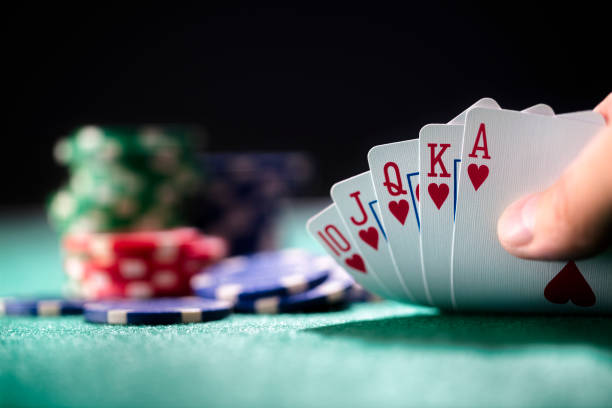
This emotional connection to gambling can manifest in both positive and negative ways. Positive emotions associated with winning can reinforce the desire to play, while negative emotions like guilt or regret stemming from losses can lead to a cycle of chasing those losses in hopes of recapturing the highs of previous wins. Such emotional fluctuations create an unpredictable gambling experience, making it difficult for individuals to recognize when they should stop or reevaluate their gambling habits. The interplay of emotions can cloud judgment, leading to impulsive decisions that may have long-lasting consequences.
Moreover, the role of excitement and anticipation cannot be understated. The thrill of waiting for the outcome of a game can amplify emotions and engagement. Casinos often leverage this by incorporating elements that stimulate excitement, such as big jackpots or progressive games where the stakes continually grow. This emotional engagement not only prolongs playtime but also increases the potential for players to lose track of their spending, complicating their relationship with gambling and making responsible play more challenging. Understanding this emotional landscape can help gamblers make more informed choices about their betting behaviors.
Understanding the Psychology: Enhancing Your Experience
Understanding the psychology behind casino games can significantly enrich a player’s experience while promoting responsible gambling practices. Players who recognize their emotional responses can better manage their gambling behaviors, making informed decisions rather than succumbing to impulses. By acknowledging the role of chance and cognitive biases, individuals can cultivate a healthier relationship with gambling that focuses on enjoyment rather than solely on winning. This awareness can lead to a more satisfying gaming experience that is less driven by the need for monetary gain.
Furthermore, being aware of the social dynamics and emotional impacts can facilitate more mindful playing strategies. Engaging in discussions about experiences with fellow players can create a supportive environment where individuals feel comfortable sharing insights and tips. This sense of community can enhance the overall enjoyment while helping players remain mindful of their spending and emotional well-being. Building a network of support can provide valuable perspectives on responsible gambling practices.
For those who wish to explore their gambling habits further, resources dedicated to responsible gambling can provide guidance and support. Many gambling establishments offer programs and materials to ensure that players are educated about the risks and psychology behind gambling, which can foster a more balanced approach. In conclusion, understanding these psychological elements not only leads to a more enjoyable gaming experience but can also promote healthier gambling habits, making the process more fulfilling in the long run. Embracing this knowledge empowers players to engage with their gambling choices consciously and confidently.
